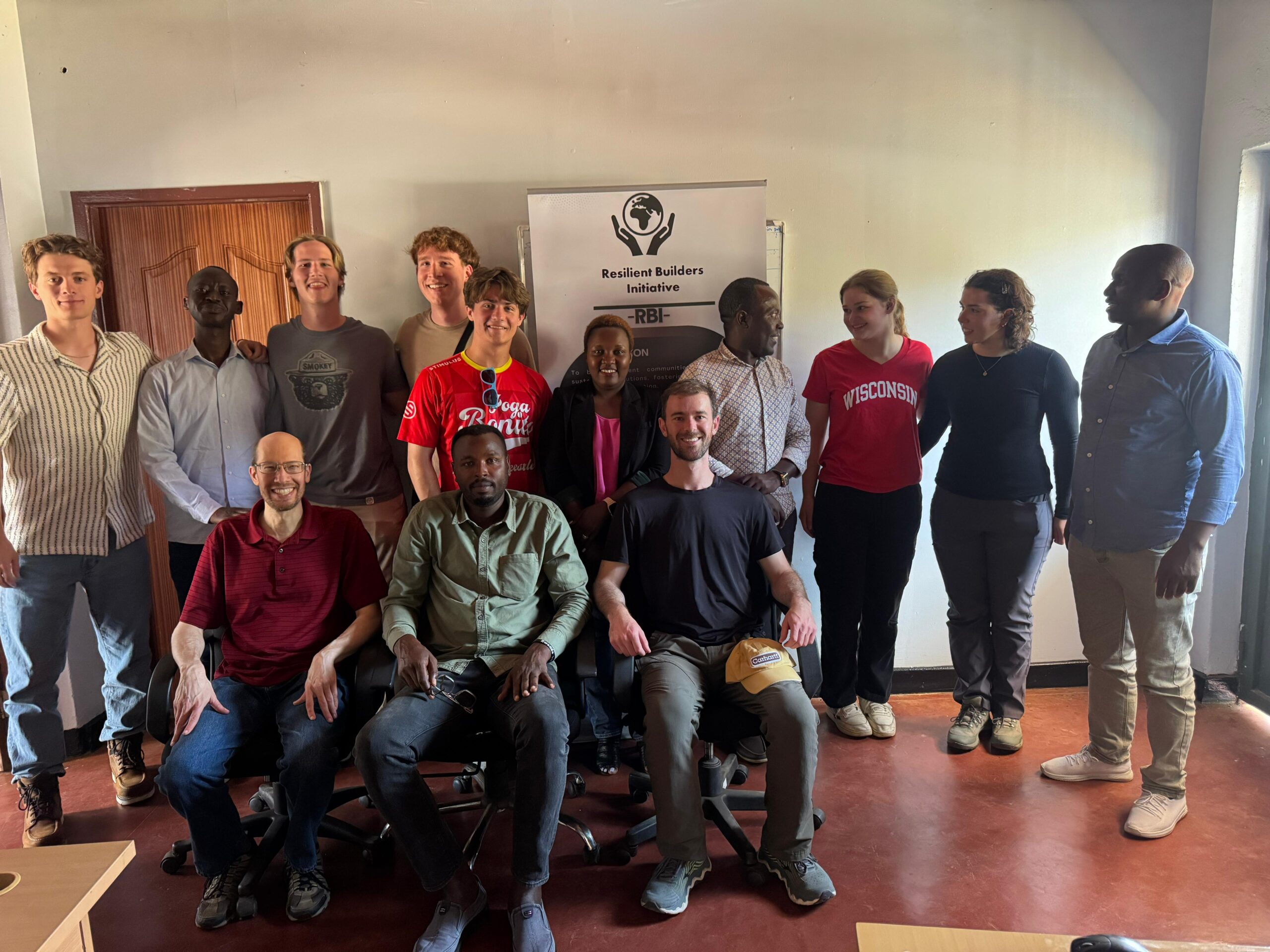
RBI Hosts EWB – University of Wisconsin–Madison for WASH Project in Gakenke
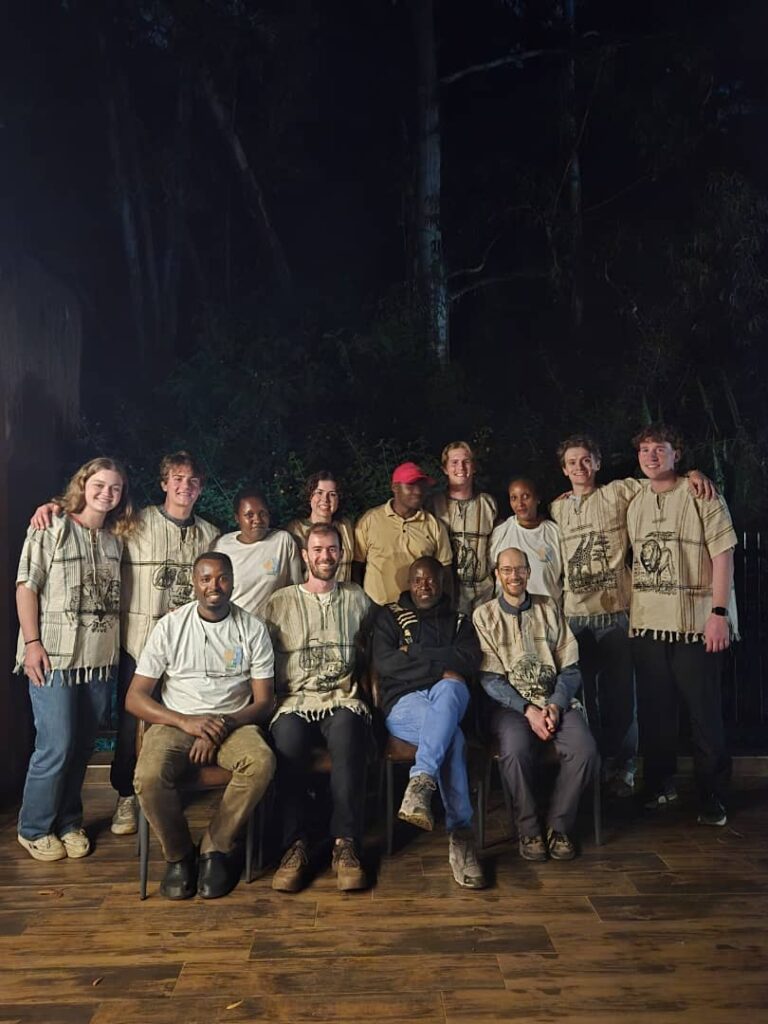
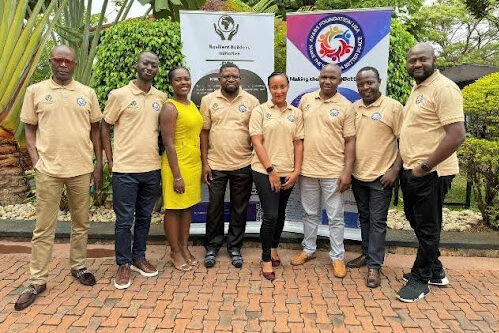
The Resilient Builders Initiative (RBI) proudly welcomed the team from the University of Wisconsin–Madison Chapter of Engineers Without Borders (EWB/USA) to Rwanda for a 10‑day field mission under the Karambi – Muyira Water Project in Gakenke District. This collaboration is dedicated to advancing sustainable access to clean and safe water through a community‑centered and technically informed approach in Gakenke district.
The visit marked a significant milestone in the partnership, following earlier groundwork that included water quality and soil testing and topography surveys. These preliminary activities laid the foundation for the project’s feasibility study and future implementation phases.
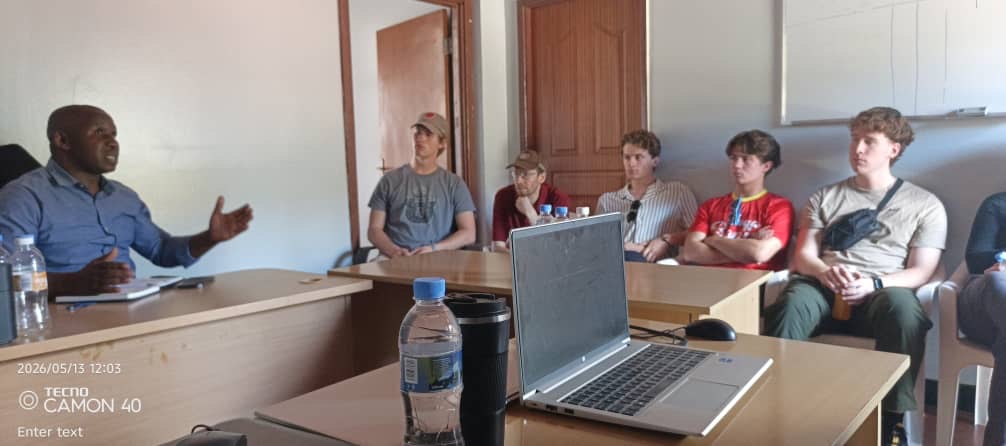
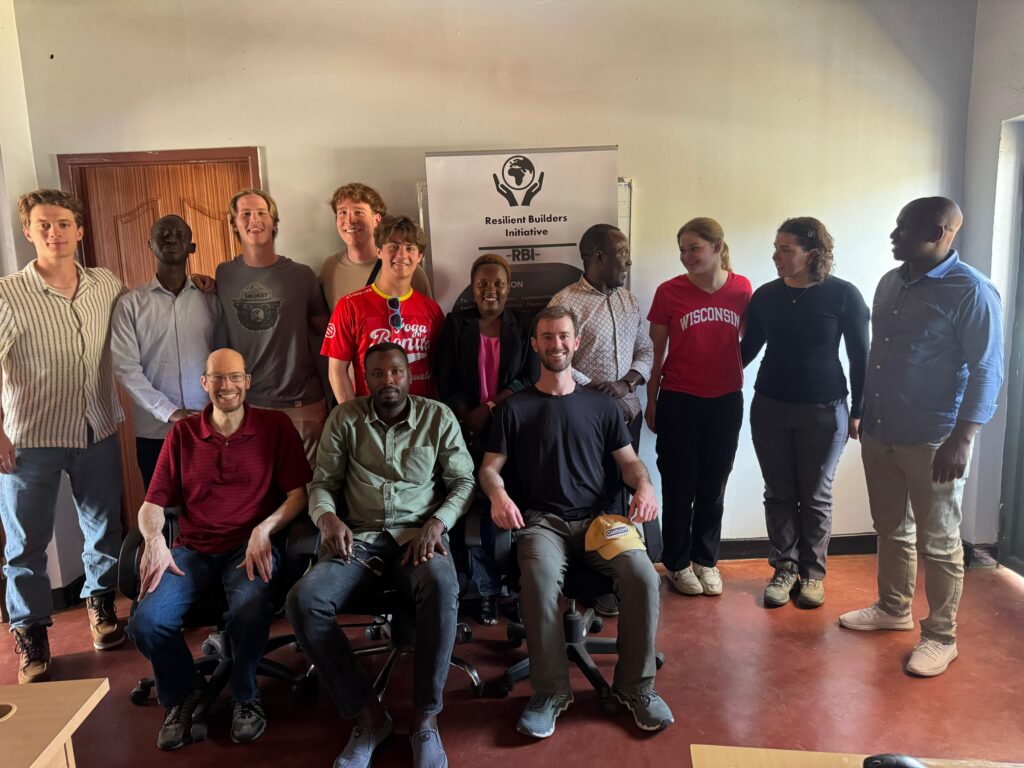
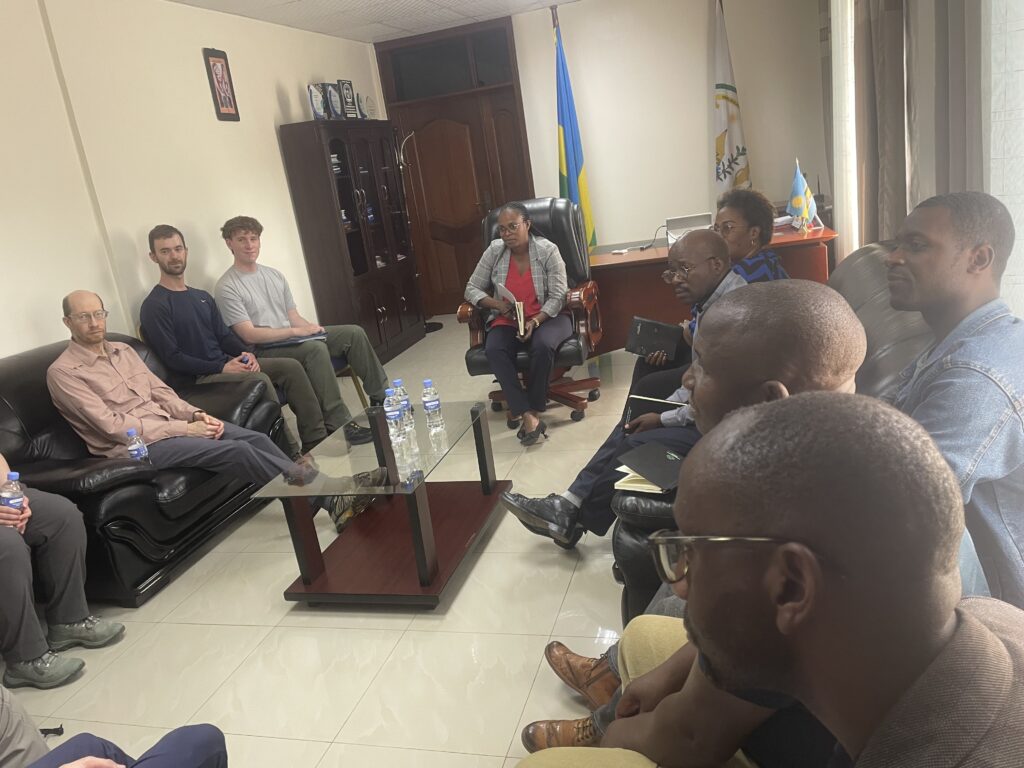
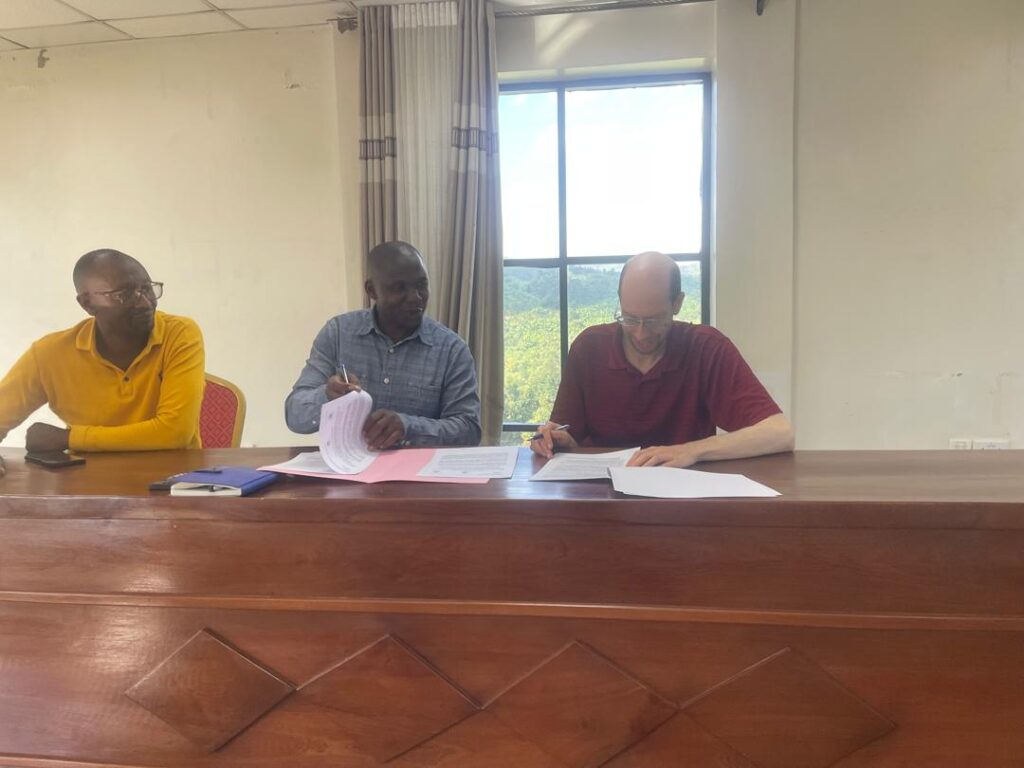
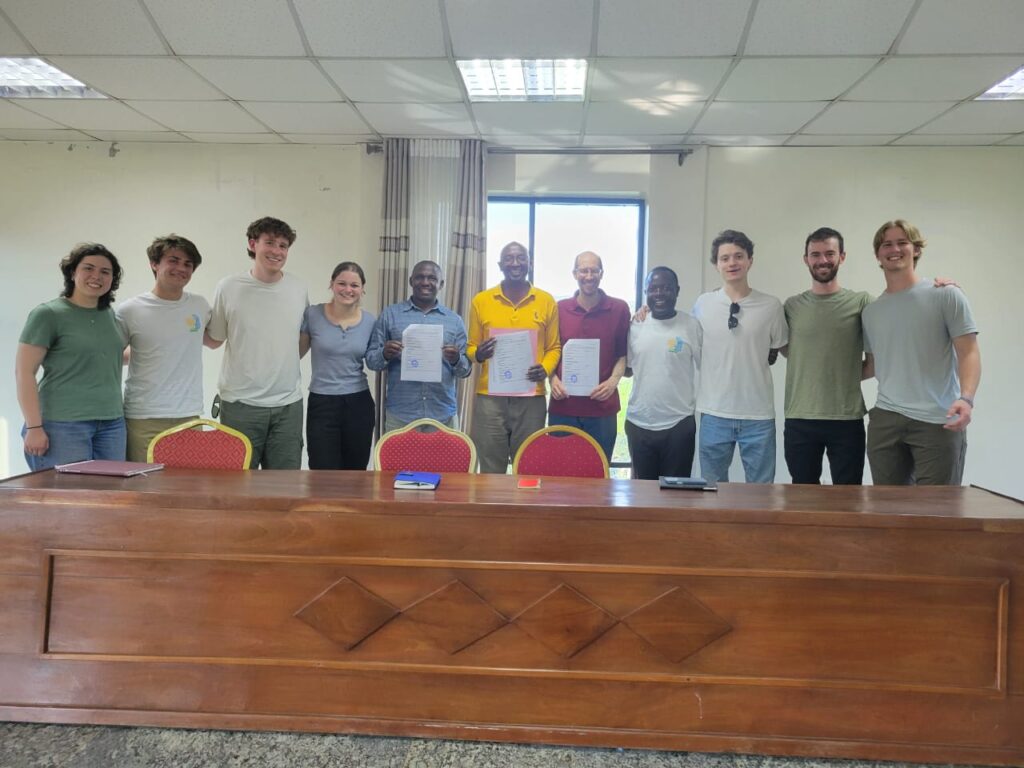
The delegation was later welcomed in Gakenke District by Mayor Madame Vestine MUKANDAYISENGA, representatives from WASAC, and district staff. A formal partnership agreement was signed, with the district pledging full support to ensure the five‑year collaboration delivers significant impact, beginning in Karambi and Muyira villages.
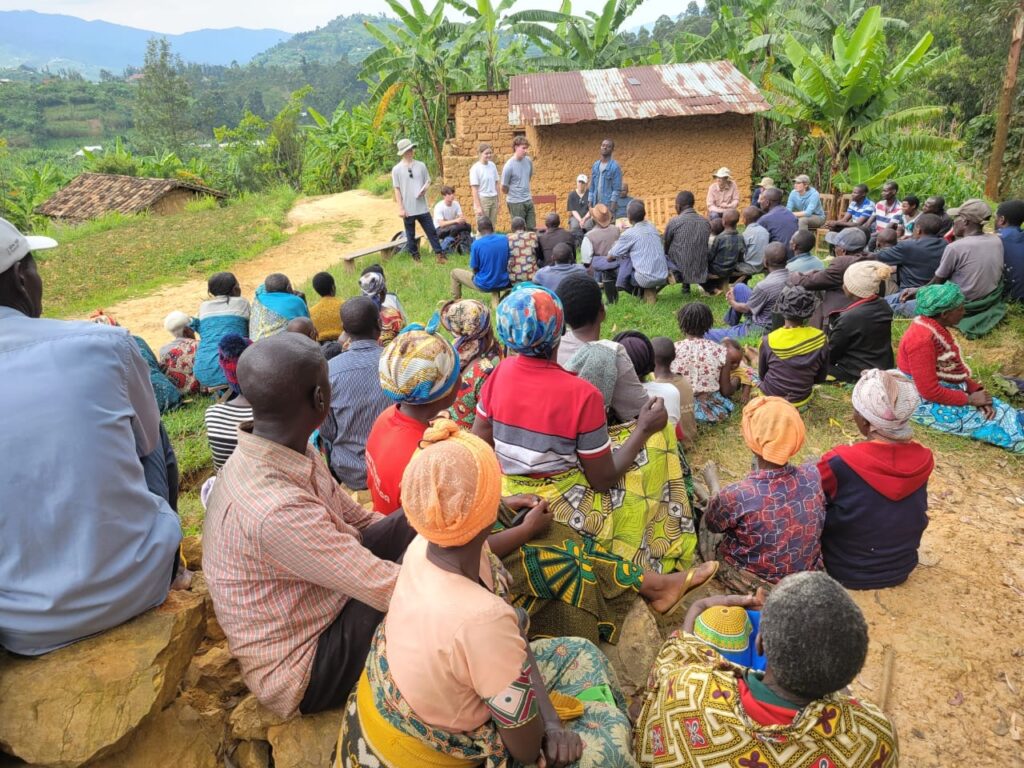
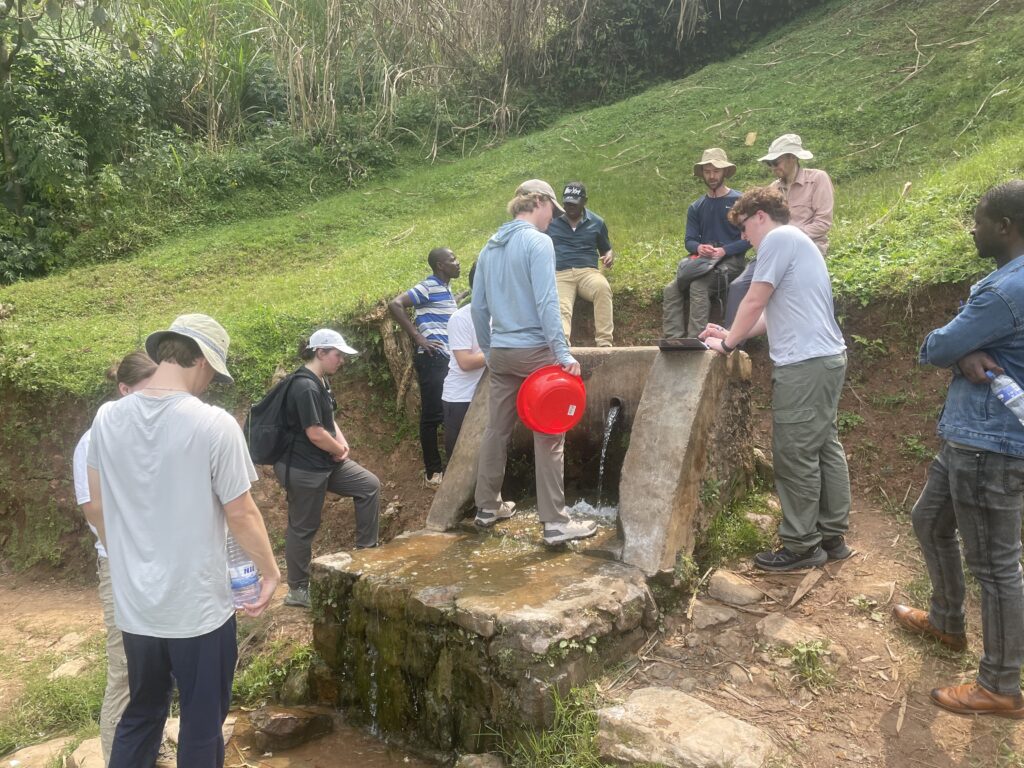
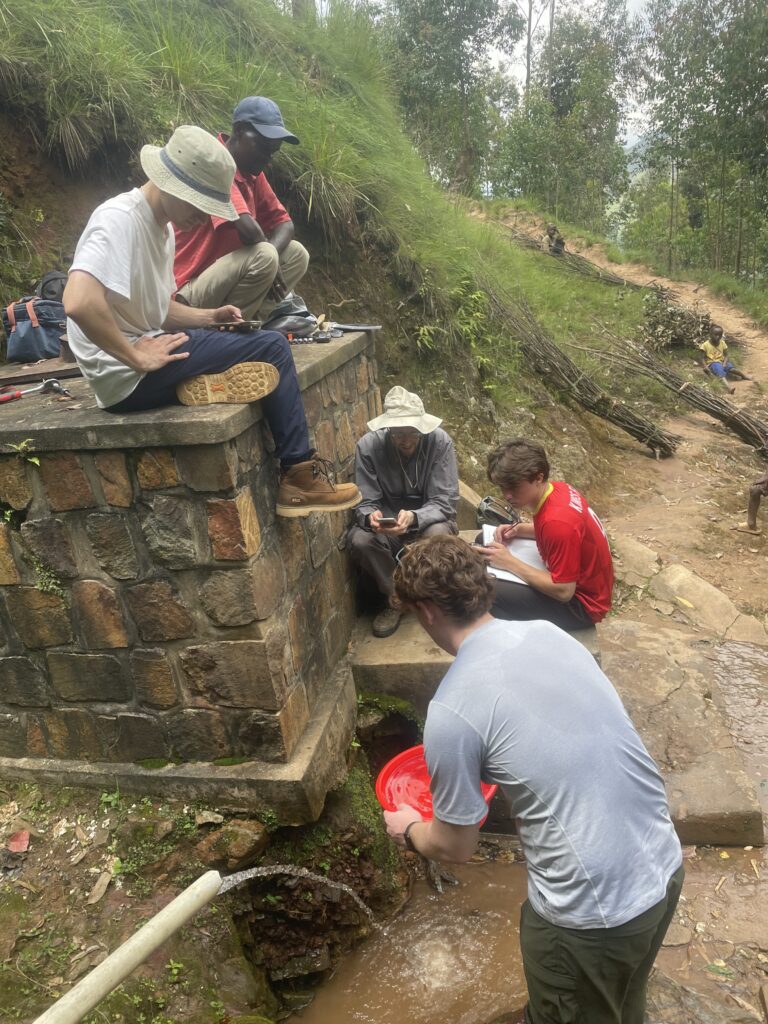
From days three to eight, the mission was characterized by intensive field assessments, technical tests, community mapping, and consultations with local residents. These activities reinforced the project’s commitment to inclusivity and sustainability, ensuring that community voices remain central to the design and implementation of the water system.
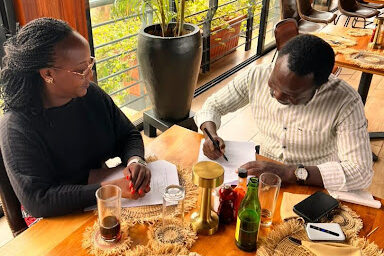
Mr. Bahati Augustin, Executive Director of RBI, who played a pivotal role for this partnership to happen, Speaking during the visit, Mr. Augustin said: “We are very happy to work with you, and we promise you to have a successful project once funded.” His leadership underscores RBI’s dedication to building bridges with international partners and ensuring that technical expertise translates into tangible benefits for local communities, especially for Gakenke people.
The Karambi Water Project resonates strongly with the 2026 global theme, “Water and Gender / Where water flows, equality grows.” By addressing water challenges, the initiative also seeks to promote gender empowerment, strengthen public health, and enhance community resilience. Vulnerable populations, particularly women and youth, stand to benefit from improved access to safe water, reducing the burden of long journeys and enabling greater participation in education, livelihoods, and leadership. A five years tripartite MoU has been signed by EWB, RBI and District of Gakenke.
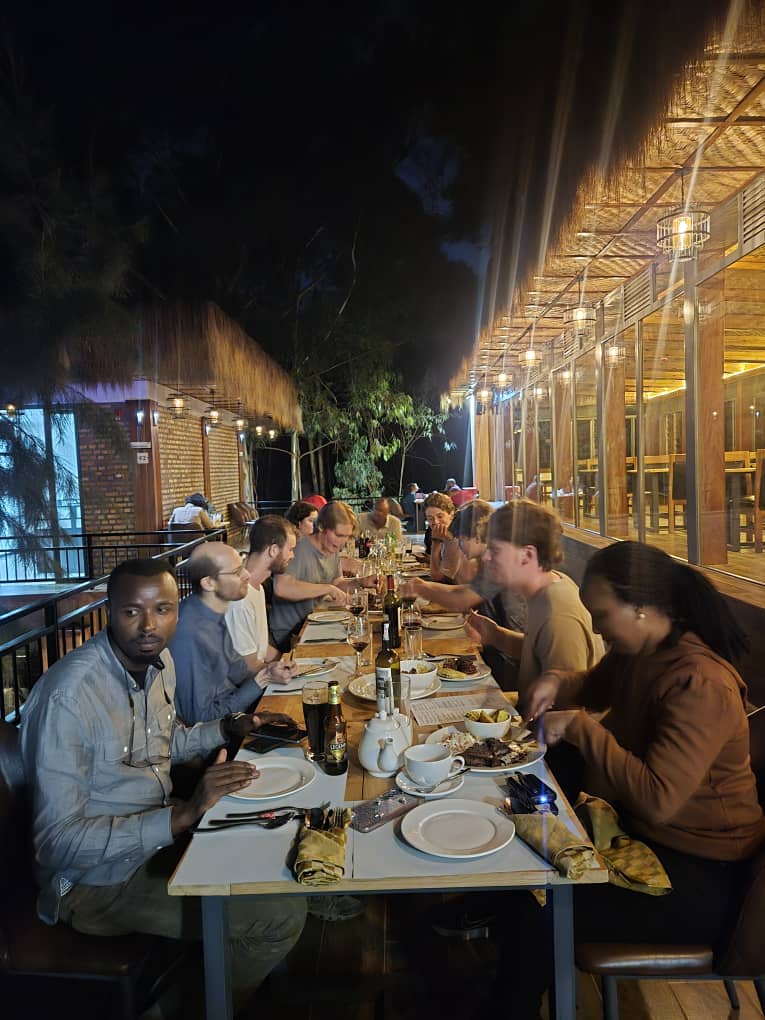
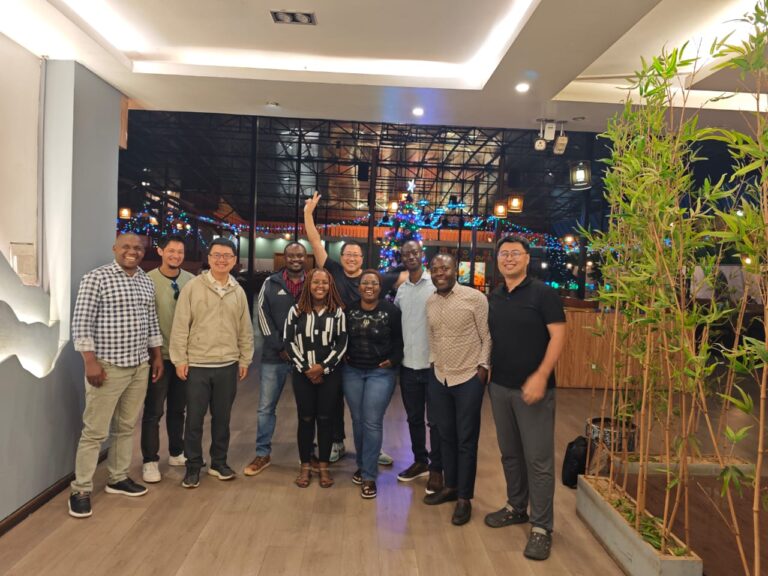
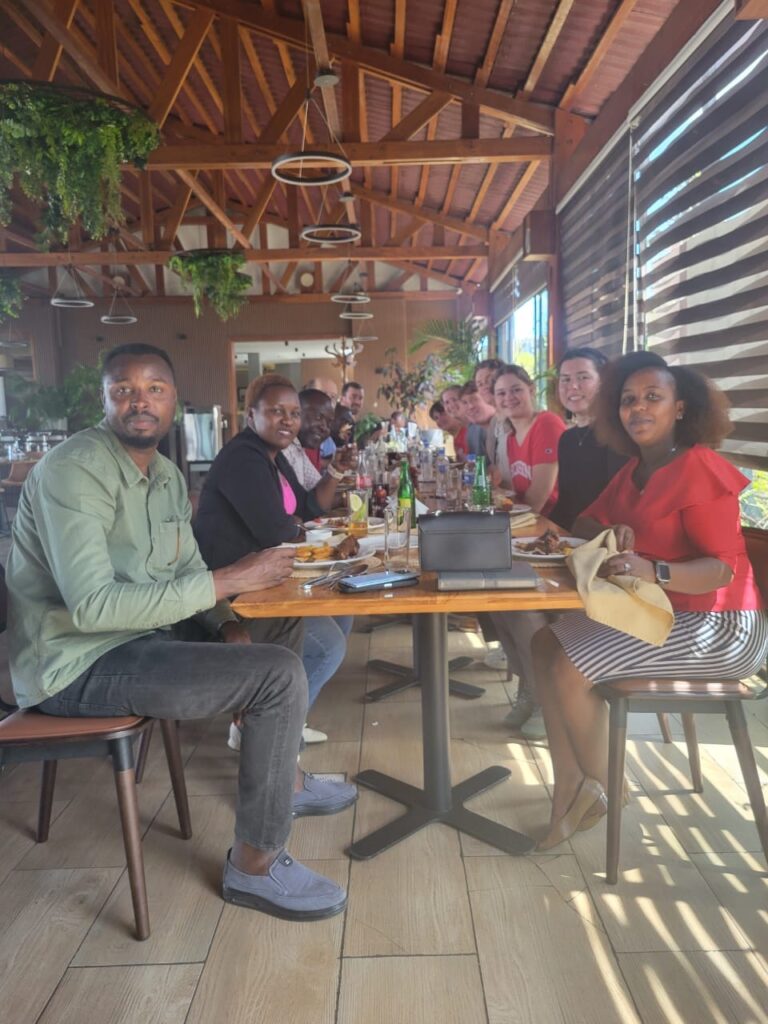
The mission concluded with a visit to Akagera National Park and a closing dinner with RBI Board members and staff. Reflections from the field were shared, and partners expressed optimism about the way forward. The atmosphere was one of excitement and determination, with a shared promise that the people of Karambi and Muyira will soon enjoy safe water at closer distances once the feasibility study receives approval.